
Adopting a low-cost green interior for your home not only gives you inner peace, but also bragging rights. Sustainable home designs and lifestyles choices can reduce our dependence on artificial energy and preserve the environment for future generations.
Many folks shy away from environmentally friendly home decor projects because of perceived high costs, but that’s not the case. These simple low-cost green interior tips can get you on the right track without emptying your pockets.

A really cool info-diagram on EPA’s site.
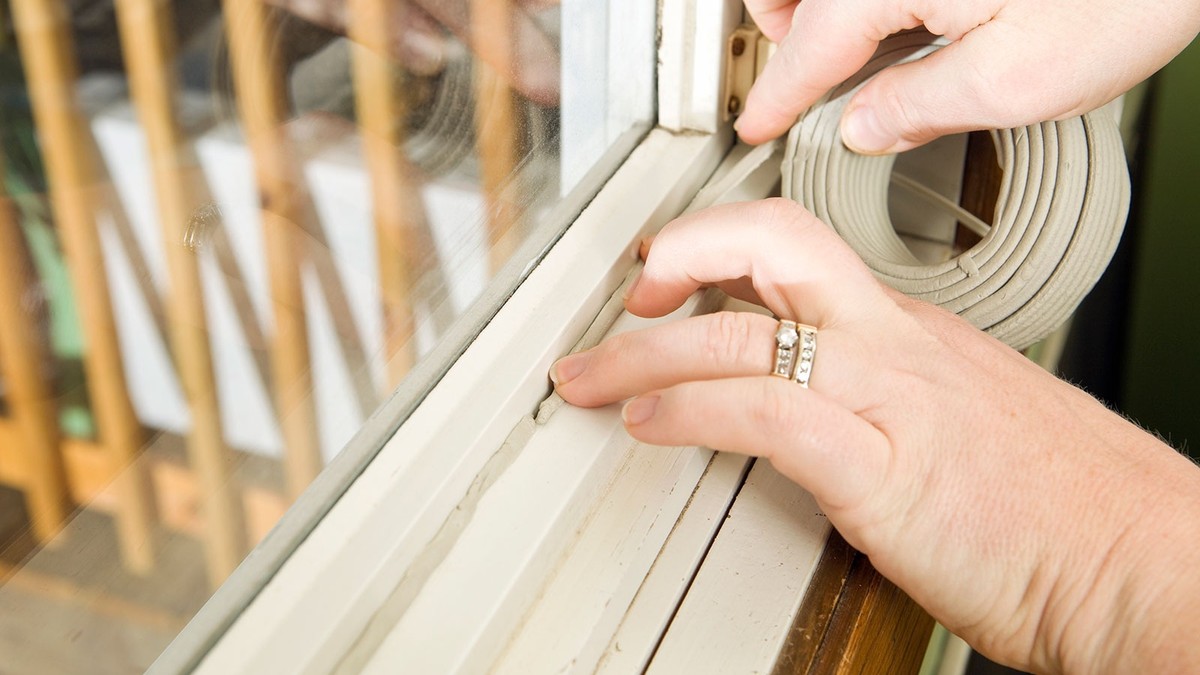
To begin with, you can reduce your energy bill by caulking and weather-stripping your windows and doors. This simple do-it-yourself procedure can seal any gaps that may let heat escape during winter season or let cool air escape during summer season. The reason it is considered a low-cost green interior design tip is because it reduces out dependance on fossil fuels for regulating the temperature of our homes in winter and summer.
2. Tweak the Windows for Energy Preservation
Next, if some rooms in your home are exposed to the sun, consider extending their roof eaves or using a tinted heat-reflective glass that complements your home’s exterior. This will help shade the windows and block out as much sunlight as possible during hot weather. Adding curtains or blinds also contributes to reducing hot and cold air ventilation, which may reduce the load on your heater and air conditioners.
Another low-cost green interior technique is to use solar screens, which are specially woven fiberglass shades. They can be installed outside windows to absorb and dissipate sun rays before they reach the actual window.
3. Fix up the Roof for Environmental Impact
Not surprisingly, budget friendly green interior ideas can add both form and function to your home. When it comes to low-cost roof treatment, a creative way to drastically reduce its temperature is to cover it with drought-tolerant plants such as Sempervivum and Sedum. The same low water-use plants, in addition to dense trees and shrubs, can be grown around the house to cut down noise pollution as well as add green beauty to your home.
4. ‘Daylighting’ as a Low-Cost Green Interior Tip
Another effective practice is ‘daylighting’, which involves constructing windows or placing reflective material in a manner that will maximize the presence of natural light in a home. An example of ‘daylighting’ is a glass skylight in the attic that not only reduces the cramped effect created by a sloping roof, but also lets in plenty of sunlight. This also serves the purpose of reducing your energy bill for lighting up the attic, which is generally a dark area and the source of wonderful horror stories for active imaginations.
5. Low-Cost Green Light
Despite all these light-enhancing interior decor tips, you may still need to rely on traditional electricity on dark cloudy days and at night, unless you switch to full solar power with ample reserve batteries. If that isn’t the case, consider buying energy-efficient light bulbs because they use around 30% less energy compared to incandescent-light bulbs, and they light up your room just as well! These green bulbs (the light isn’t actually green, though that might be a fun option) may cost more upfront but you quickly recover the cost through savings in terms of watts consumed by the bulb.
6. Insulate the Floor for Warmth
Lastly, a wall-to-wall carpet with underfelt will do you lots of good; it will provide a cushion between the hard flooring and your feet, it will offer sound control by muffling noise, and lastly, it will help insulate your home against heat and cold.
These are just a few ideas that can come together to create a less-polluted, more sustainable, money-saving environmentally-friendly house. It’s easy to see, we can all use our homes to save energy and control pollution to help create a greener tomorrow.
If you liked this article, you may also like other articles that offer tips on decorating your home yourself while being kind to your pocket.


