
This blog shares ideas on improving your home and lifestyle, and part of that is setting the right atmosphere in your home, of which lighting is an important part. This article shares tips on lighting the dining area and bedroom to enhance the interior decor.
Lighting the Dining Area

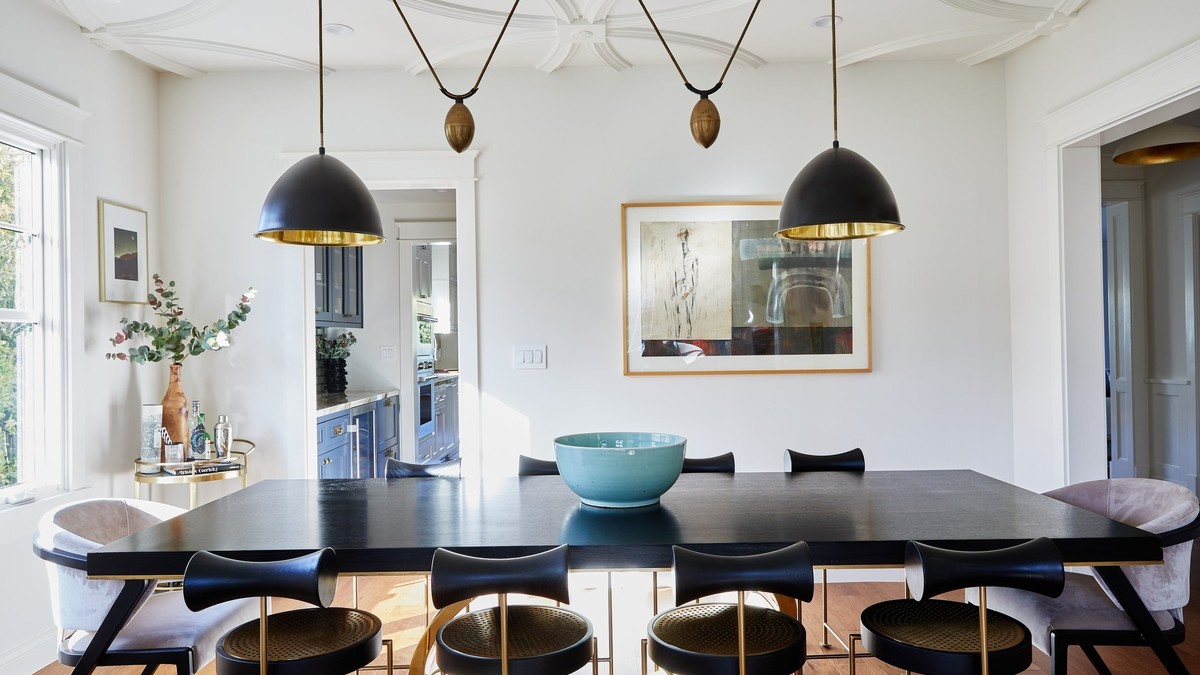
Who wouldn’t want to eat here? Credit: Hepok.com
We have to add lights to the dining area to make the dining atmosphere aesthetically pleasing as well as functional, proper lighting is vital (along with good food). You need to balance different types of lights – yes, indeed, there is more than one type!
It is a common practice to place a simple central pendent light over the dining table to make it easier to see what goes into your mouth (a functional benefit) and make the whole room look pretty (an aesthetic benefit). Of course, a long table may need a couple of down-lighters or pendent lights, both of which are attractive and functional.
Task lighting on the food table (task lights are lights that are more focused on a particular spot) allows more flexibility in furniture arrangement and it looks attractive too. Dimmer switches are a good idea because you can alter the level of lighting to suit the occasion or mood of the gathering:
If you plan a romantic dinner with your significant other, an intimate atmosphere can be created, Warm fluorescent lights also make the food look appetizing.
If you’ve invited a bunch of hooligan kids for a birthday party, bright lights are best to minimize spills and help find the boy who fell through the crack in the floor.
Many dining rooms have a well-lit up display cabinet to show off exotic crystals, glassware and other decorative items. Again, it’s best to use task lights (concentrated spot lights) for they really bring out the shine in glass ornaments. My favorite type of task lights are those concealed into pelmets and coves; it looks stylish and exudes a wonderful glow.
Happy eating, everyone!
Lighting your Bedroom
Bedroom décor is more personalized than that of any other room in the house – it should be comfortable, functional as well as relaxing. First of all, make use of natural light in your bedroom to full effect in harmony with the décor of the bedroom. A central light will brighten the bedroom’s main area, whereas in order to brighten up the edges and corners we will need down-lighters or spot lights and lamps.
Reading lamps in your bedroom are a great idea – with adjustable arms, reading lamps can be mounted on the wall allowing the light to be directed on your precious needlework or book. You could also go for lamps placed on bedside tables but they will consume valuable space that other accessories could use.
Any work desks in the bedroom should lit up by task lights, in the form of a table lamp, wall lamp or even floor lamp. If you go for lamp light or indirect light under a shelf, it should be at least 35cm above the working surface to prevent glare yet allow sufficient light.
Lighting and Bedroom Activities
A moderate level of lighting is called for watching television in the bedroom. If lamps are not positioned properly they will reflect on the screen. If you’re a keen craftswomen and have setup an area for sewing or needlework, you need powerful lights placed slightly behind and above the work. Always remember that task lighting cannot be compromised with decorative lights.
In the dressing room, a certain amount of task lighting is needed, specially the make-up area.


